Good for the people,
good for the planet
Eco-friendly transportation for all
Every ride is a car trip not taken
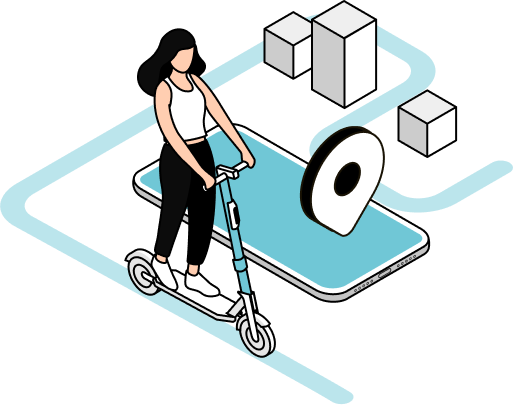
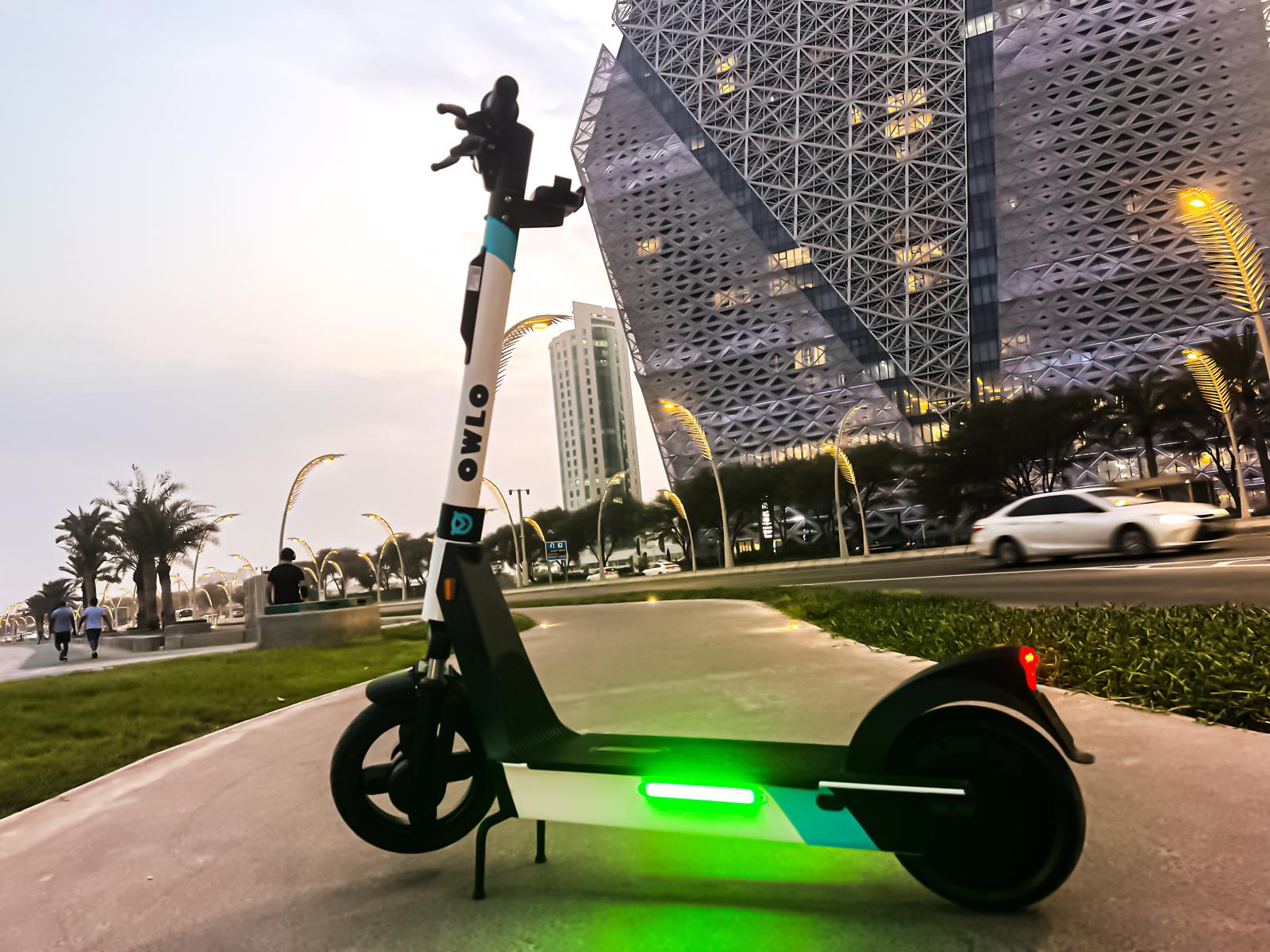
Short urban trips, under 5 km, account for a disproportionate share of urban car emissions. Owlo scooters are purpose-built for exactly these trips: fast to unlock, affordable to ride, and available where and when people need them most.
The end goal? Cleaner air, less traffic, and more joy, for everyone, in every city we operate.

Technology
Vehicles designed for the long run
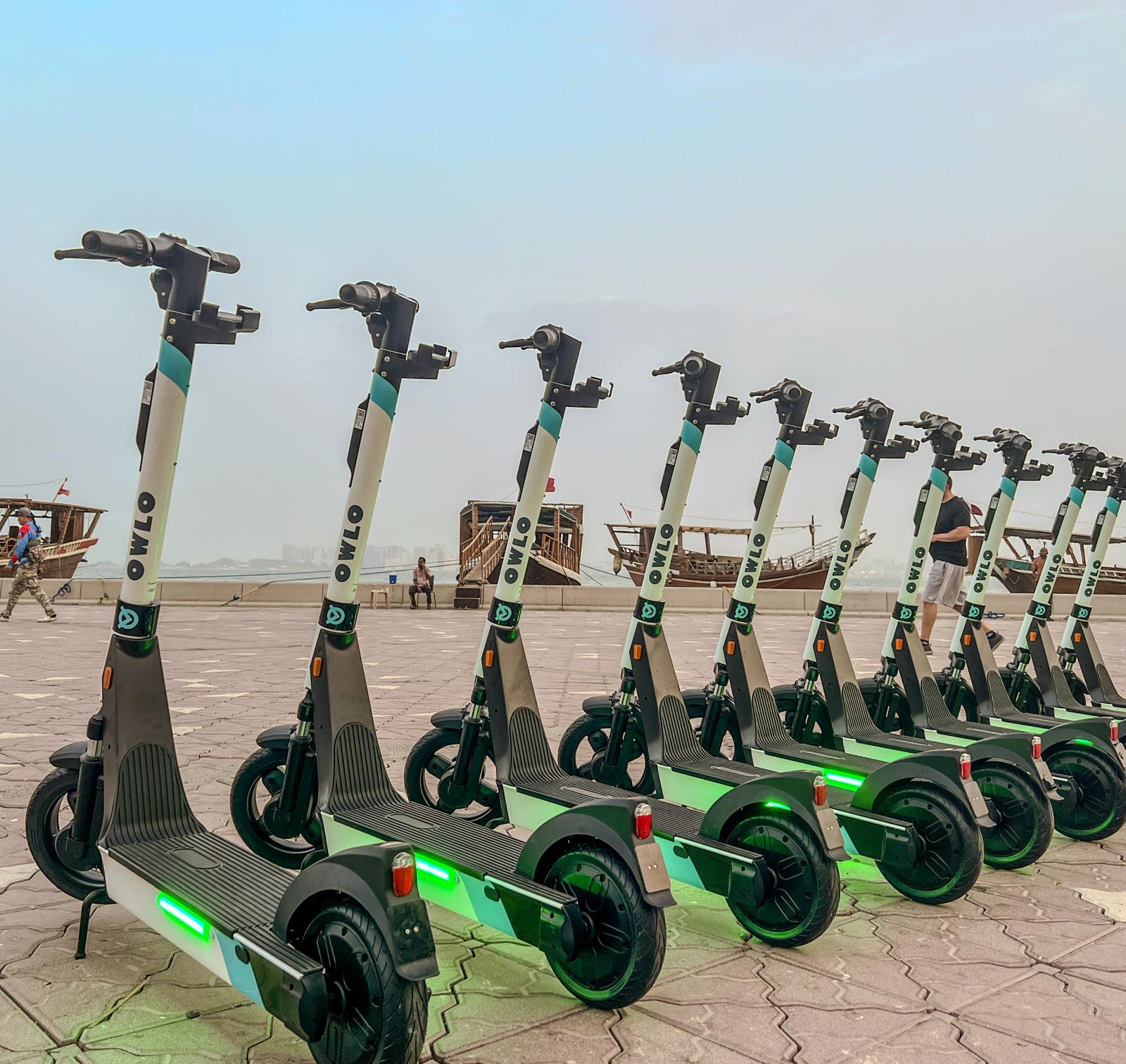
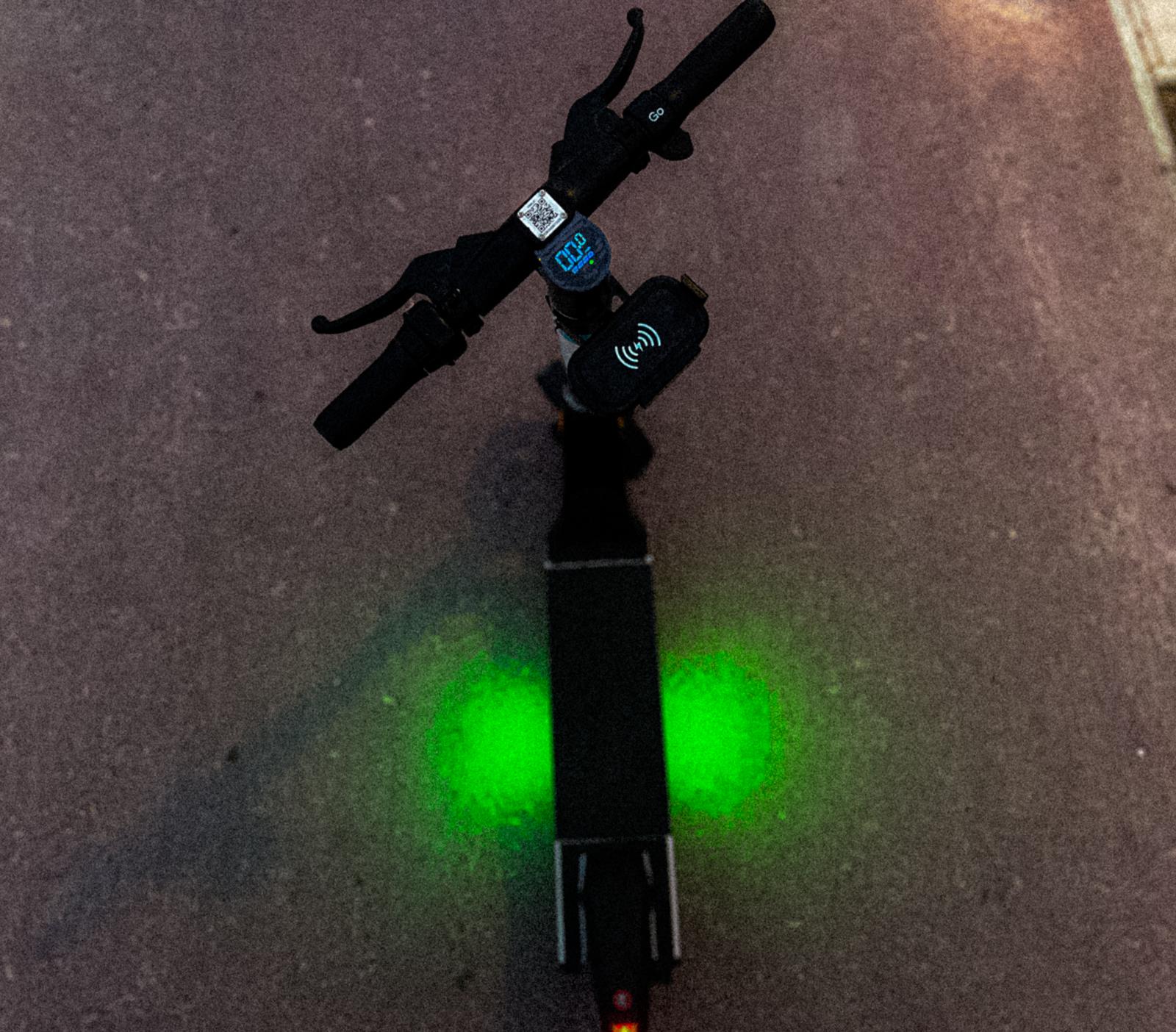
Our scooters are engineered for maximum battery longevity, monitored in real time by an onboard Battery Management System (BMS). Longer-lasting batteries mean more rides per charge, fewer replacement cycles, and a lower lifetime carbon cost per journey.
Every component of our scooter is selected with sustainability and durability in mind, from lightweight alloy frames to energy-efficient motors.
When scooters reach end of life, we work with recycling partners to recover usable metal, batteries, and electronic components.
Our fleet uses modular components designed for field repair rather than replacement.
An eco-friendly footprint
Healthier cities begin
with sustainable mobility
Measure
We conduct full lifecycle assessments on every scooter model, calculating total environmental impact from manufacturing through end-of-life, so we know exactly where our footprint is.
Avoid & reduce
We actively design operations to reduce emissions at source, from charging infrastructure choices to routing logistics and operational vehicle selection.
Offset
Where emissions cannot be eliminated, we partner with verified offset providers to compensate, using internationally recognised carbon accounting standards.
What makes Owlo advertising different
How we lead sustainably
Leading by example
Owlo's commitment to sustainability begins with reducing our own environmental footprint, within our operations, logistics, and every decision we make. We evolve policies continuously to act consciously and responsibly.
United Nations SDG alignment
Owlo actively aligns our strategy and operations with the United Nations Sustainable Development Goals — in particular Goals 9, 11, 12, and 13 covering industry innovation, sustainable cities, responsible consumption, and climate action.
Responsible growth
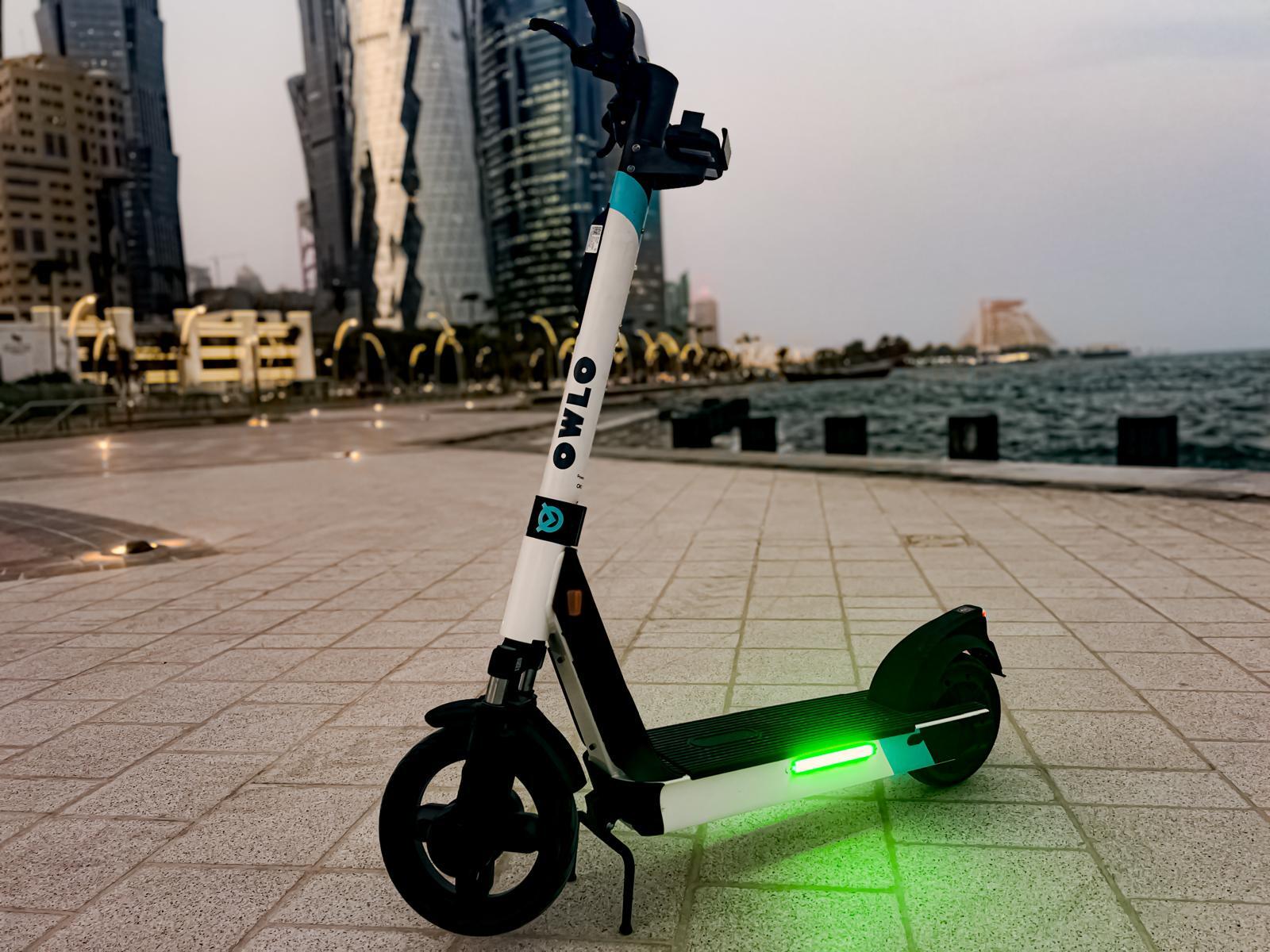
Every new city launch is planned with long-term sustainability in mind. We work alongside municipalities and local partners to ensure our growth creates positive environmental and social impact.
Built for future cities
Our technology, fleet operations, and rider education programs are designed to support cleaner, smarter, and more connected urban mobility ecosystems for future generations.
UN Sustainable Development Goals
Advancing the UN's Sustainable Development Goals
9
Industry, Innovation & Infrastructure
Building resilient urban infrastructure through smart micromobility technology.
11
Sustainable Cities & Communities
Making cities inclusive, safe, and sustainable for residents and visitors.
12
Responsible Consumption
Designing circular, low-waste vehicles and responsible operational practices.
13
Climate Action
Reducing direct and indirect carbon emissions across our fleet lifecycle.
How we mitigate emissions
We mitigate our environmental impact by:
Partnering with energy providers to use renewable energy for fleet charging
Using electric or low-emission vehicles for fleet collection and redistribution logistics
Designing scooters for maximum durability to reduce replacement and manufacturing cycles
Applying a repair-first policy, fixing components rather than replacing entire vehicles
Repurposing or recycling end-of-life parts through certified environmental partners
Conducting regular lifecycle assessments to track and improve our environmental footprint
Reducing carbon-intensive employee travel through remote-first operational policies
Complying with all applicable environmental laws and exceeding baseline requirements
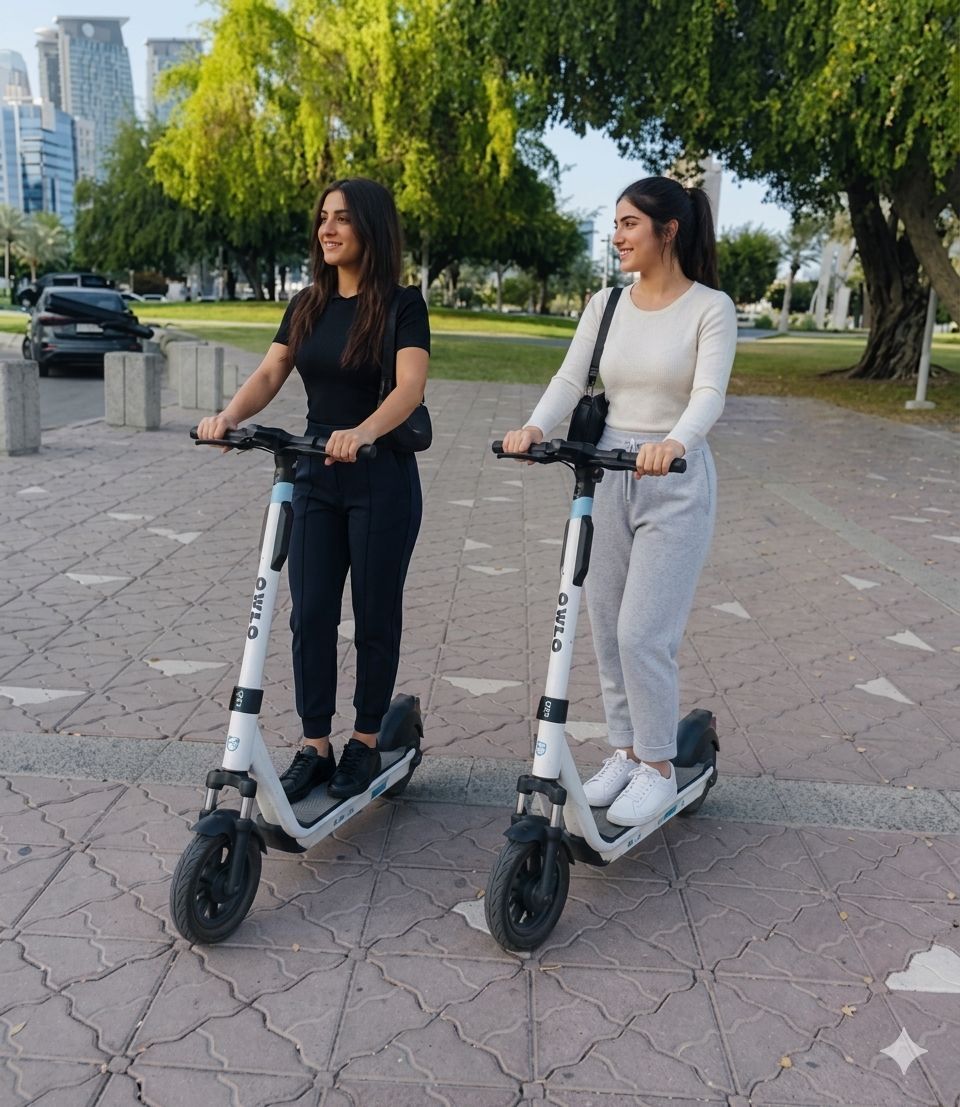
Using data for good
Using our data to build better cities
Ride heatmaps
Identify high-demand corridors to inform protected lane proposals and parking zone planning.
Trip pattern analysis
Understand how scooter trips connect with public transport nodes for better multimodal integration.
Carbon reporting
Provide cities with verified CO₂ displacement data for inclusion in sustainability reports and targets.
Performance insights
Track usage trends, fleet activity, and city-level mobility performance through clear reporting.